
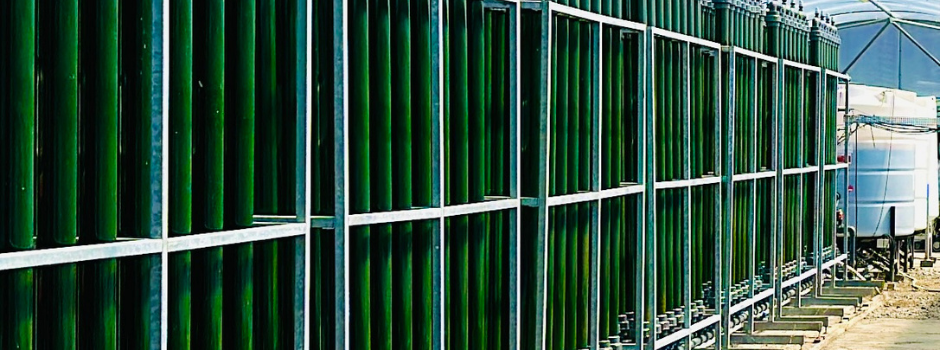
A New Era of Sustainable Microalgae Cultivation: The Low-Cost LED Cube Photobioreactor
The Growing Importance of Microalgae
Microalgae are rapidly gaining attention as one of the most promising biological resources for the future of food, biotechnology, and sustainability. Species such as Spirulina (Arthrospira platensis) are particularly valuable because they are rich in proteins, pigments, vitamins, and antioxidants.
Spirulina biomass typically contains over 50% protein and valuable pigments such as phycocyanin, making it highly attractive for applications in nutraceuticals, pharmaceuticals, food colouring, and biotechnology.
As the global population continues to grow and demand for sustainable protein sources increases, microalgae cultivation technologies must evolve to become more scalable, cost-effective, and environmentally sustainable.
However, one major challenge remains: the high cost of microalgae production systems.

The Challenge: Cost and Scalability in Microalgae Production
Microalgae cultivation systems generally fall into two main categories:
Open Systems
Examples include raceway ponds.
They are relatively inexpensive but come with several limitations:
-
Low biomass density
-
High contamination risk
-
Limited environmental control
-
Dependence on weather and sunlight
Closed Systems (Photobioreactors)
Photobioreactors provide better control over growth conditions such as light, temperature, and nutrients. This leads to higher productivity and better biomass quality, but these systems often involve high capital costs and complex designs, limiting large-scale deployment.
Researchers are therefore exploring new reactor designs that combine the advantages of closed systems with lower costs.
The Innovation: The LED “Cube” Photobioreactor
The reactor uses a modified 1000-L industrial bulk container (IBC) integrated with:
-
Internal LED lighting panels
-
CO₂ aeration system
-
Temperature control system
-
Controlled mixing and aeration
This design ensures that light reaches the algae efficiently while maintaining optimal growth conditions.
Key advantages of the Cube reactor include:
-
Low construction cost
-
Reduced light attenuation
-
Stable year-round productivity
-
Controlled cultivation conditions
-
Easy scalability
By using LED lighting internally, the system avoids the limitations of natural sunlight and enables consistent production.
Turning Industrial CO₂ into Valuable Biomass
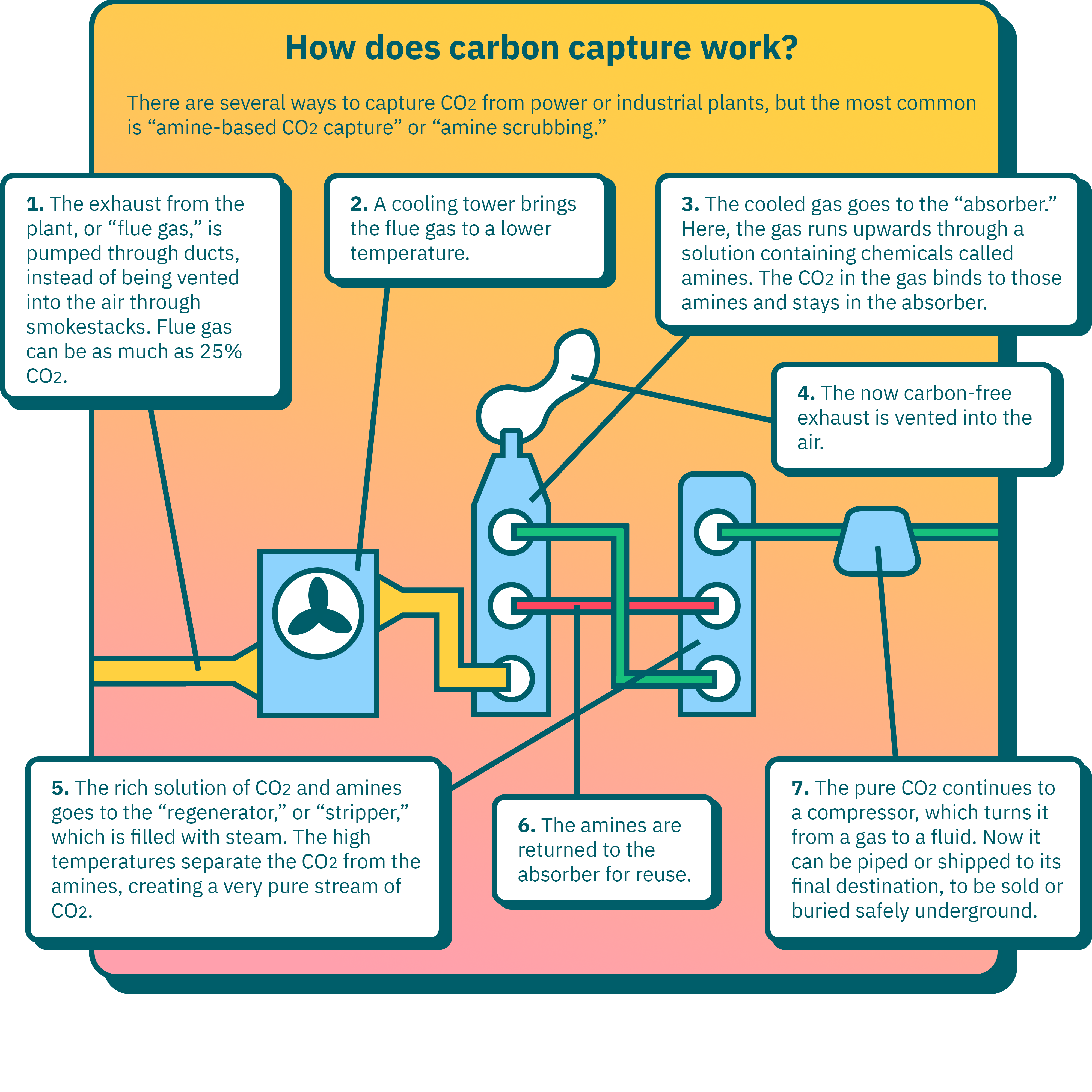
One of the most exciting aspects of this system is its ability to use industrial CO₂ emissions as a carbon source for microalgae growth.
In the study, CO₂ from an industrial facility was introduced into the reactor to support Spirulina growth. Microalgae naturally absorb carbon dioxide during photosynthesis, effectively converting emissions into valuable biomass and bio-products.
This approach aligns strongly with circular economy and carbon reuse strategies, turning waste emissions into useful biological products.
Impressive Performance Results
The Cube photobioreactor demonstrated strong productivity and efficiency:
-
Biomass concentration: 1.37 g/L
-
Productivity: 80.5 mg/L/day
-
Areal productivity: 92.1 kg/year/m²
-
Protein content: 54.1%
-
Phycocyanin content: 78.27 mg/g biomass
Compared to traditional raceway pond systems, which typically produce around 4.2 kg/year/m², the Cube reactor showed significantly higher productivity.
Additionally, the estimated capital cost was about £12,776 per m³, with a projected payback period of only 1.7 years when considering pigment and protein production.
These results highlight the economic potential of integrating microalgae cultivation with carbon capture technologies.
Implications for the Future of Algae Biotechnology
The development of affordable and scalable photobioreactor systems is critical for unlocking the full potential of microalgae.
Technologies like the Cube reactor could support:
-
Sustainable protein production
-
Natural pigment manufacturing (e.g., phycocyanin)
-
Carbon capture and utilisation
-
Circular bioeconomy initiatives
-
Industrial biotechnology applications
As global interest in sustainable food systems and climate solutions continues to grow, innovations in microalgae cultivation technology will play a key role in shaping the future of biotechnology.
Read the Full Research
You can explore the complete research paper here: